A Methodist in Antarctica
18 December 2025
18 December 2025
Jacob Wyborn is a steward at Castle Street Methodist Church in Cambridge and a radar and communications engineer with the British Antarctic Survey. Jacob tells the story of his life and faith ‘down south’.

When I was about to leave university, I didn't want to go into an office job so I looked up engineering roles that don't spend much time inside. I watched a video of a day in the life of the Amundsen Scott South Pole Station and I thought, ‘I bet Britain has something to do with that.’ Later I found there was a radar and communications position being offered with the British Antarctic Survey, I applied and was successful.
It’s an all-year-round job, as when you're back in the UK you are preparing to go south but life in the Antarctic is very different.
We have routines that have become traditions since the days of Shackleton. Breakfast is at 8.30am, smoko at 10.30am (for most, smoko is a sandwich with a coffee). Later there is lunch and then second smoko, followed by dinner. You’ve always got to be metabolising in order to keep warm in the Antarctic.
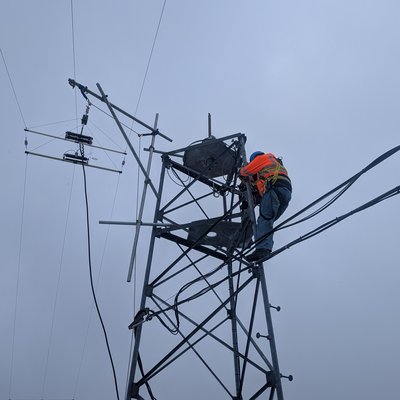
I manage a variety of scientific and communication projects, ensuring the operation of things like the internet and HF radios, airport control equipment, satellite networks and systems that are used to forecast the weather as well as systems such as the MF radar that study space weather. There's a lot of comms in Antarctica. Some days, I'm in the office doing Excel spreadsheets and others I could be going into the field to find a broken repeater that's been buried under meters of snow or up a tower mast fixing an antenna.
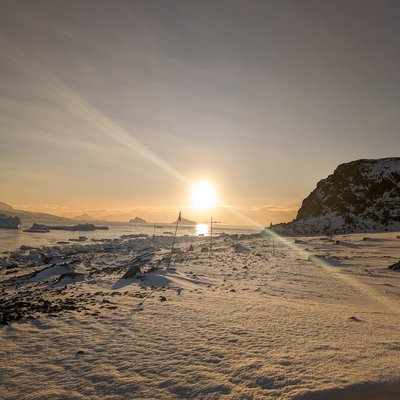
You can see the impact of climate change, especially around the coast. Being here you get a sense of how puny humans are compared to the earth. There are glaciers that are 20 or 30 meter walls of ice flowing into the ocean. In the last 40 years some of these have moved back by about three kilometers. The glaciers nearest the base have retreated to such an extent that they are starting to break apart on land and we can't travel across them anymore.
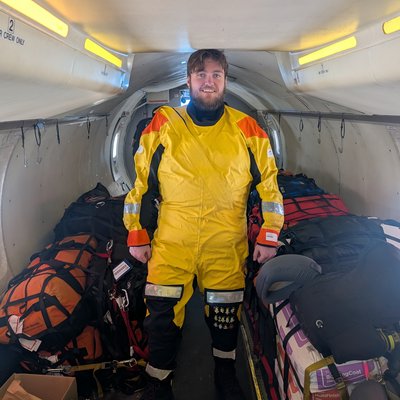
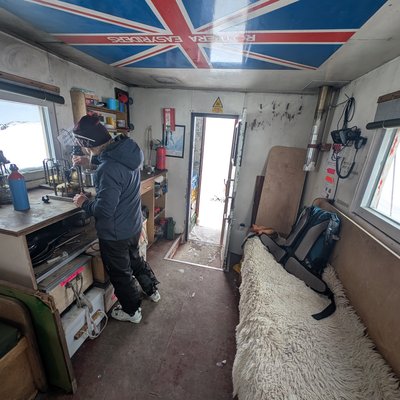
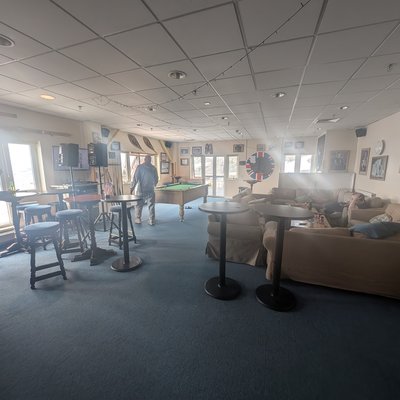
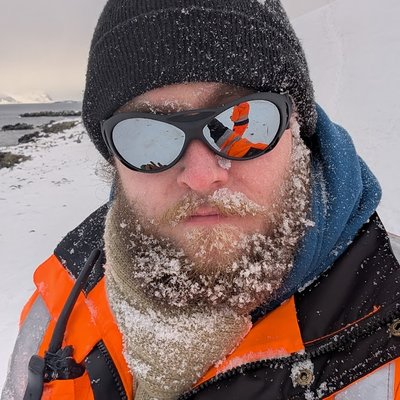
Working in Antarctica is inherently stressful both physically and socially. You are compressed into a small group of people that you have to be around for a long period of time. In the peak summer season there are around 130 people here but in the winter this drops down to about 40.
There are no spaces that are just yours here, every space is shared. I even have to sleep with four people in the same room.
It can be helpful to think about the tenets that Jesus taught when you're on the base, to remind yourself to have an almost deontological approach to being kind and patient.
Religion doesn't tend to be discussed much. Down south there's an unofficial policy of avoiding topics that could get contentious as you have to live and work with these people for several months. While most seem open to it, you don't get a lot of religious influence down south. There is no chaplain, no Sunday service and so you miss things like Easter.
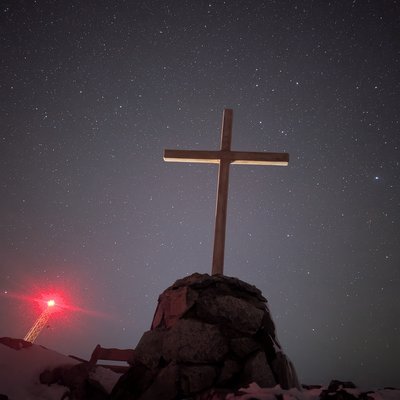
It's nice to know that the church back home is thinking about me. My minister at Castle Street, the Revd Jenny Pathmarajah, ensured I was loaded up with reflective books and readings before I went. I was invited to record a bible reading and be part of a service which I filmed overlooking the base with the glaciers behind. When I return to Cambridge, I give talks about my experience to raise money for the replacement church floor. I enjoy expressing how exciting, almost out of this world, the experience of going south is.
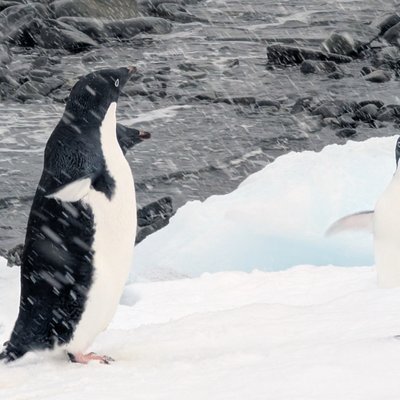
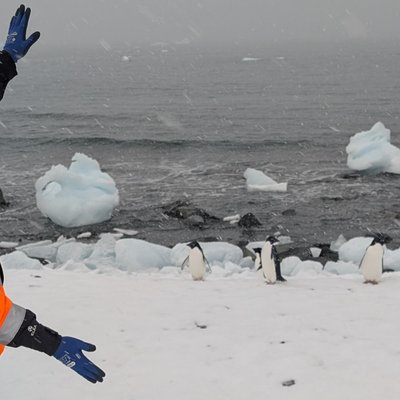
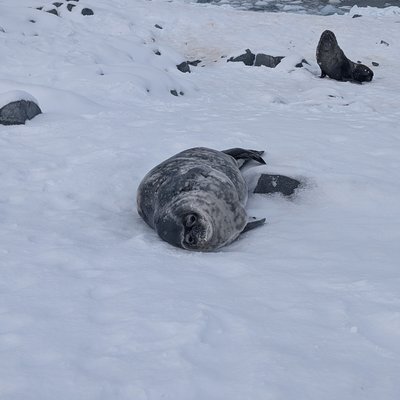
I feel close to God down south when I have those moments when I’m alone and among the grand and majestic nature that surrounds me. When I see the icebergs flowing past in the ocean, when I look at the mountains on the horizon that stretch endlessly away. When I’m looking at the sky and it's filled with endless clouds.
It is the awe-inspiring presence of God on the earth that he has created.