The PCR – Ten Years On
Holding ourselves to account
01 December 2025
01 December 2025
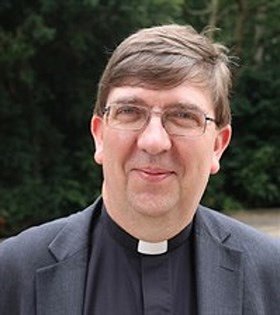
The Revd Dr Jonathan Hustler, the Secretary of the Methodist Conference, shares his thoughts 10 years on from the Past Cases Review and considers accountability.
No one would pretend that Courage, Cost and Hope made easy reading for those of us in leadership in the Church. Its narrative was of a Church that had failed in a number of respects. Its analysis was often that the failures had come in aspects of our live which should have been intrinsic. One of those (‘one of the two most worrying overarching themes’ (p22)) was the lack of accountability the reviewers diagnosed.
Part of the genius of John Wesley was to recognise the importance of Methodists being accountable to each other. The Conference was the forum for the accountability of the preachers. The Band meetings were the place where members held themselves accountable for their discipleship. The requirement to be part of a Synod or Convocation for ministers and small groups and membership tickets to this day continue that tradition as part of the essence of who we are as Methodists.
Over the last ten years, the Methodist Church in Britain has grown in its understanding and practice of accountability, in response to the recommendations of the PCR. Reflective Supervision (which is now seen as a gift by many supervisees and supervisors) ensures that all ministers reflect with a qualified person on the ministry they exercise and refer concerns appropriately. ‘The Commitments and Expectations of Full Connexion’ (CPD Book IV, part 6) reminds us of the framework of our mutual accountability. The Theology of Safeguarding report (2021) recognised mutual accountability as an essential component of ‘building a community of love and grace’ (para 9.2) and offered us an understanding of forgiveness and renewal which cannot be separated from offenders’ accountability for their actions.
This has been a decade of learning what accountability means. In addition to the accountability of ministers to the Conference (and vice-versa) and of disciples to each other, we have had to learn what it means to be accountable to the society we serve. There is a wider context to this, as expectations of accountability have generally increased. For example, registration as charities means that we are held to account for the ways in which we claim to serve the common good. But there are specifics in Safeguarding. After the publication of the PCR, my predecessor, Gareth Powell, appeared on the BBC and we apologised publicly to those who were survivors of abuse in the Church. During the years I have been Secretary of the Conference, we welcomed, responded to and are committed to working with the recommendations of the Independent Inquiry into Child Sexual Abuse.
Courage, Cost and Hope remains difficult to read, but we have reason to believe that in the light of its searing honesty we are now, individually and institutionally, a more accountable Church than we were a decade ago, and therefore closer to what we are called to be.