Jane: Second chances
28 April 2025
28 April 2025
Jane Dominey has spent most of her working life as part of the Probation Service. She comes from a long line of Methodists and has been a member at Castle Street for around three decades. She is now treasurer there.
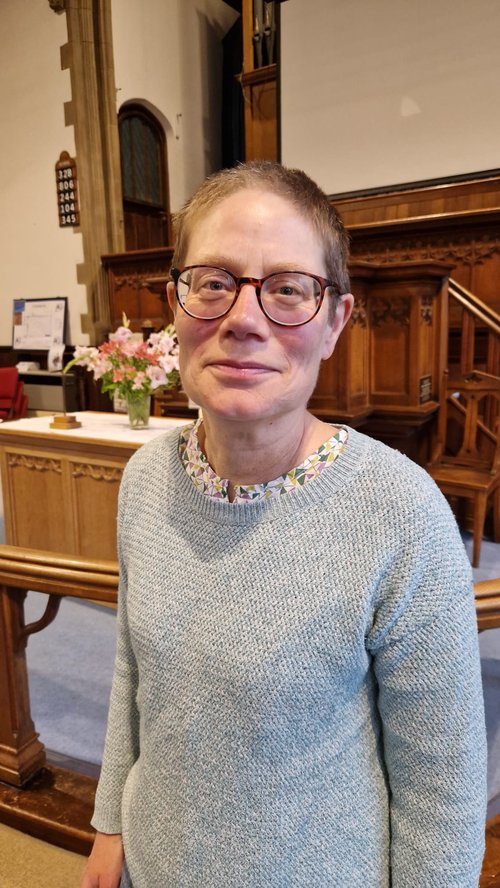
I have been a probation officer, I've taught people to be a probation officer, I've been involved in research about the work of the probation service and rehabilitation in the community. For the last 15 years, I have been a researcher and teacher at Cambridge around probation issues. I don't think it's an accident that I have finished up in this line of work.
When I left university, I did not really know what I wanted to do, I had what I thought was going to be a year out and I went to work at the Whitechapel Mission of the Methodist Church where they offer support for rough sleepers.
It was while I was working at the mission that I first came across the probation service – eventually becoming an assistant member of staff with them. It is like being a housing worker, a social worker or a teacher; helping, guiding, encouraging people to make changes that benefit them and society.
The probation service was originally a faith-based endeavor. The early work that happened in court was created and delivered by people who were expressing their Christian faith. Early probation officers were called ‘court missionaries’.
It’s about second chances. People are not the worst thing that they have ever done. And although the probation service has been a secular organisation for over a century, it is still an occupation that has attracted people who are interested in second chances, rehabilitation, redemption and community reintegration.
Lots of decisions that probation practitioners make are moral and ethical ones and my moral framework, my values, are absolutely entwined with what I learn through being part of the church community. However, I would never elevate those above my professional ethics.
You can't work in the probation service without being very grounded in the real world. I don't think it's possible to work in the probation service for a long time without being humble.
I find that the hour and a half of being in a church very re-energising. It gives you a chance to reflect without people interrupting too much. I try and listen.
I am the sort of person, sitting in a church congregation, with lots of questions about faith, belief and doctrine. Every church I've been to has been a fairly motley collection of interesting individuals. But for all our differences, we are thinking about the same things, motivated by some of the same concerns while striving in the same direction and singing the same hymns.
My work as church treasurer is my service. I’m not a local preacher or worship leader, but the work I do as a treasurer has worth and I would say that is my service.