You saved my life on that bench
Mental Health First Aider Day
10 November 2025
10 November 2025
▲Warning, this item discusses issues around mental health and suicide. Support is at the bottom of the article.
Wednesday 12 November 2025 Is Mental Health First Aider Day.
Mental Health First Aid helps to build the confidence to talk about mental health, as well as providing the knowledge to offer support during a crisis. Mental Health First Aid training is offered across the Church and to members of the Connexional Team.
The Mental Health First Aid Training course enables participants to acquire a greater understanding of mental health and wellbeing. The course includes practical skills to spot the triggers and signs of a crisis, building confidence to step in, reassure and help a person in distress and have good conversations, signposting people to appropriate support.
One of those who has attended the course was Laura Braime, a lay worker in the Calderdale Methodist Circuit where she helps run Open Door, a service offering a free two-course lunch for anyone in the community. “I felt under equipped to deal with some of the service users, the challenges they face and the conversations we were having. Mental Health First Aid was recommended to me and I felt like it would be very useful.
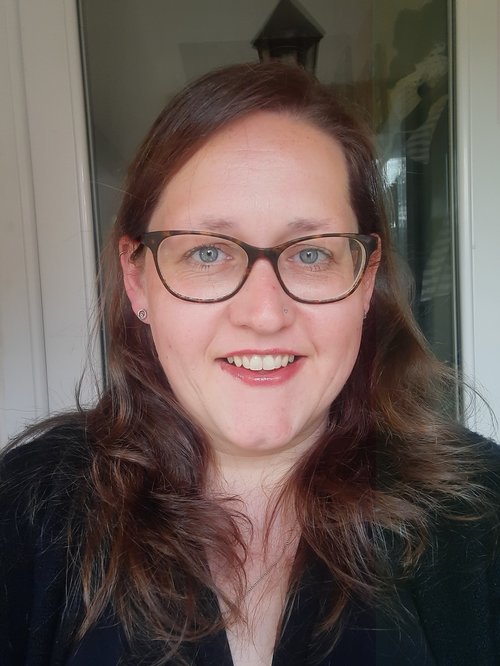
“The course was really good. Its content was quite intense but the leaders were great at checking in throughout the training and creating space to lighten the day. It is never about you 'fixing' people's poor mental health, but knowing how best to support them, where to signpost them. It encouraged me to ask direct questions and have open conversations about mental health and wellbeing.”
Since completing the course last year, Laura has supported two people, one of them a man she found on a bench overlooking the church garden. Sitting down next to him, Laura asked what was wrong. He opened up that he was heading to the railway bridge where he had plans to be on the tracks when a train passed.
“He started talking through a list of things that had happened over recent months. This included relationship and family problems, unemployment and poverty. He had nothing but the clothes he had on and 35 pence in his pocket. By the time he had finished he was sobbing. We sat in silence for a little while, the tears stopped and we chatted a little more.
“He said that the conversation had helped and he'd had a chance to think about his daughter and had ideas about what he could do for the remainder of the day. I asked him if he knew what to do if he felt overwhelmed again. We talked through A&E, 999 and I asked if he wanted to make an appointment to see a GP so he could have some support.
“In prayer, I asked God to bless him and to keep him safe. A fortnight later at Open Door the man came in, smiling, he handed me a box of chocolates. I asked what they were for. He said, "You saved my life on that bench, I want to say thank you!"
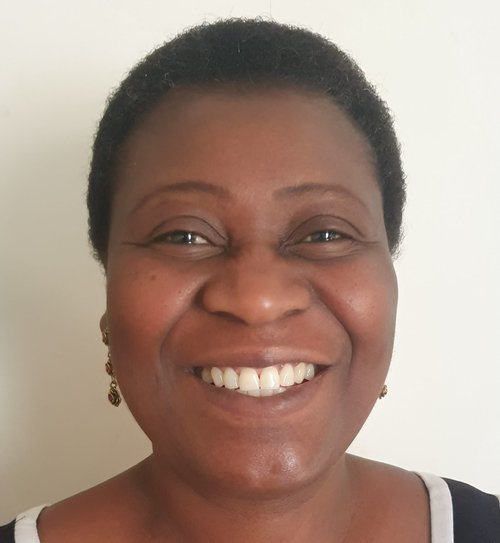
Mercy Attoh attends Hither Green Methodist Church in London and undertook the youth version of the course. “It was really good and gave advice on how to spot when an unsettled young person is in distress. They may be withdrawn or angry but sometimes that anger can indicate something more serious is going on. The course helps you understand the need to be approachable, to be welcoming and to listen.
“I have already supported two young people since I completed the course in the summer. One was struggling to cope with issues at home. The other was having problems settling at church. In both cases, having conversations has made a dramatic difference to their mental wellbeing.”
Though Mental Health First Aid is not faith-based, the courses are heavily subsidised by the Methodist Church. Mental Health First Aiders must refresh their skills every three years.
The Youth Mental Health First Aid course is for those who support people aged between 8 and 18 and is usually online over four, three-hour sessions.
Lynne Norman, Children & Youth Officer, is able to assist with enquiries regarding the course to support young people. More information can be found here.
For Adult Mental Health First Aid there are the options of both on-site and online training.
Carla Quenet, Learning & Development Officer, is happy to respond to questions about the Mental Health First Aid Course to support adults. Details of the course can be found here.
For immediate help:
https://www.samaritans.org/ (116 123 free call)
https://www.childline.org.uk/ (0800 1111 free call)
To find local support services:
For information and support regarding mental health issues:
https://www.youngminds.org.uk/
Your GP will also be able to offer support