Sub page 7
New Methodist Communities
-

-

-

Metal Methodist
Online
musicA Christian community for people who call alternative music and subcultures home.
-
Mysterious Windows
Online
artMysterious Windows invites people to explore life's biggest questions through great art.
-

-
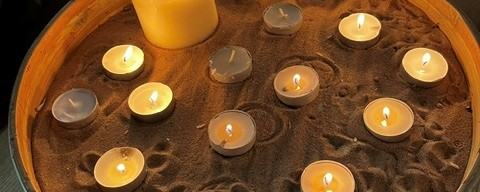
Recovery Church
Recovery Church Hub Brunswick Place NE1 7BJ with an online community via Zoom
Methodists in many places are considering the future of their buildings. This short guide provides an overview of the options.
Consideration of what is the right option for your church should involve consultation with church members and reviewing what resources you have both in terms of people and finance.
You should also consult people who use the building and the wider community, including community groups and the local authority. Sometimes this consultation is the start of new relationships, which can breathe new life into your mission.
You should also collect information about the building. Sometimes this will involve commissioning a new building inspection, reviewing maintenance expenditure or a valuation report called a designated advisor report to tell you how much the building is worth.
You should also consider your church building’s role in the context of your circuit. You should talk to your minister about how your church building can best contribute to a future for Methodism in your local area.
What are your options?
Keeping the building.
Property can be a great asset for mission, but the missional use of our property needs to be carefully thought through following deep listening to God and to the community. Here are some possible options, although it’s not an exhaustive list, and some of these options could be combined. You may not need any building work to be done – don’t wait to do mission until your building is perfect.
a) Build on current missional uses of the property
Could you expand the ways in which your building is currently being used, such as adding extra toddler group or coffee morning sessions? How could you go deeper with the groups that are already meeting in the building?
b) Use the building in new ways
Options could include any combination of the following, which may not require any building work. Be sure to ask yourselves how any of these uses will be distinctively Christian. How might people meet with God and be touched by grace through coming to your building?[EN1]
- Community hub. Inviting the wider community into the building opens the possibility of new relationships and partnerships, but these have to be actively cultivated, with great communication.
- Café. Food and drink creates a relaxing environment, but making money from a café is very tough, and its missional purpose needs to be carefully thought through. Genuine hospitality that builds deep relationships is costly.
- Retreat/wellbeing centre. A space could be curated to enable people to have spiritual experiences and to support their wellbeing. How would you connect people who used the space with your church community?
- Debt/benefits advice centre/food bank. Some great options if the work of listening to people with lived experience of poverty has been done, and this service is needed. Don’t assume you know what people need, or that you need to provide a service.
- Charity shop/clothing bank. Lots of great benefits: making money for mission; offering volunteering opportunities for the community, including people who might struggle to find volunteering opportunities elsewhere; offering free or low-cost clothing to people experiencing poverty; promoting second hand and cutting carbon. Community listening work would need to be done to ensure the shop/bank is needed, is in a good location, and that there is a big enough pool of volunteers.
- Sharing your building with other Methodist churches, including Methodist fellowships and congregations who worship in other languages.
- Sharing your building with churches from other denominations.
c) Redevelop the building to embrace new uses
Again, this is not an exhaustive list, and some of these options could be combined:
- Building work to enable any of the options under b), e.g. commercial kitchen to enable café use.
- Redeveloping part of the site as new housing, e.g. social housing, retaining a worship/community space.
- Tourism, e.g. Peak Wesley Way which offers people a low-cost holiday sleeping in various rural chapels.
- Soft play/children’s activity centre. A creative option for reaching young families – but relationships with families won’t just happen: again, they need to be cultivated.
d) Replanting a New Place for New People
There may be potential for the property to house a NPNP or CaM - for example, if it is near the site of new housing or in an area with an unreached people group. The existing worshipping congregation could share their building with the NPNP, or perhaps hand over the building entirely to the NPNP team.
- For a building in a strategic location within your community, explore the potential to start a NPNP, especially one focusing on church at the economic margins.[EN2]
- If your circuit is exploring beginning a NPNP and looking to repurpose an existing building where a congregation has ceased to meet, this could be an opportunity to explore replanting. Please contact the E&G team for specific help with this.
- If your building is in a rural context, as well as exploring the NPNP uses listed above, please also consider wider ecumenical working to maintain a Christian presence within your community. Contact the Rural officer for further help.
e) Heritage use
Some Methodist properties use their heritage to tell a story with resonance for unaffiliated people today, such as Englesea Brook. Others combine heritage and a space for retreat in creative ways, such as Chapel in the Fields. This is not about preserving history at all costs, but instead enabling unaffiliated people to connect with God through engaging with a building’s heritage.
Selling the building
Before you consider selling, remember that buildings in low income communities are often among the first to be sold. What are the justice implications of selling your building? Is it needed by your community?
Sometimes, however, selling a Methodist building is the right thing to do. A Methodist church may also decide to merge with neighbouring Methodist churches or become a class in another church. If a place has several Methodist churches, it may be a better way of securing a Methodist future to come together now and sell the buildings that there is no need for in order to invest in a shared future.
a) Buy a new building
You may decide that you still need a building for mission, but that it’s better to sell the one you have and buy or lease another – perhaps in a location that serves your community better, or configured in a way that makes mission easier, such as a café or shop unit.
b) Meet in someone else’s building
While people have strong attachments to church buildings, a Methodist church is the people not the building. A Methodist society can live a Methodist Way of Life together with or without a building. A local congregation could hire a room in a community centre, for example, in order to free themselves from the burden of running and maintaining a building, or meet online. Depending on the size of the congregation, they could meet in someone's home. A church building may not be the best place for mission: meeting in a public space could make the church more visible and accessible for unaffiliated people, and encourage creative thinking.
c) Reinvest for mission
Whether a church meets in someone else’s building or ceases to meet, funds from property sales can still be reinvested for mission. They could fund a pioneer appointment, for example, begin a social enterprise, or be offered for use by a NPNP or Church at the Margins.
Is there information for our church to consider its options?
Yes, there are a range of resources on the Methodist website which will help you including
- Community Audits and Mission Planning www.methodist.org.uk/missionplanning
- Property Development Projects
- Connexional Feasibility Grants
- Conservation
You can find guidance on the TMCP website about sales, leases, development projects and sharing your building.
Can we speak to someone about our options?
Email property@methodistchurch.org.uk to arrange a call to discuss your options. The earlier you get in contact the more options that may be available, particularly if you want to keep your building open
You can also contact Evangelism & Growth and your District Property Secretary.
NPNP/CaM - consider that alongside your new uses [EN1]