Methodist Church joins faith groups submitting environmental complaint against HSBC
05 June 2026
05 June 2026
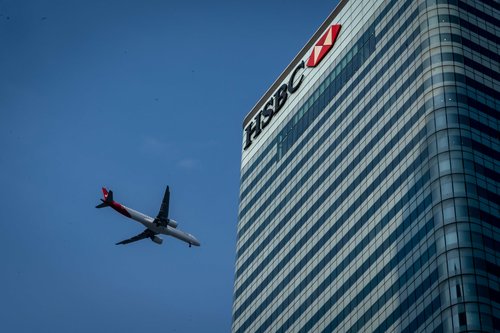
Churches, including the Methodist Church, along with Epworth Investment and faith-based organisations from Colombia, the United Kingdom, and Ireland, together with other investment and ecumenical partners, have submitted a complaint under the OECD Guidelines for Multinational Enterprises on Responsible Business Conduct concerning HSBC Holdings plc and its financial relationship with Glencore, the company operating the Cerrejón coal mine in La Guajira, Colombia.
The complaint to the UK National Contact Point was jointly submitted by Iglesia Metodista de Colombia (Methodist Church in Colombia), Methodist Church of Great Britain, Methodist Church in Ireland, Epworth Investment Management Ltd, and CEPALC (Ecumenical Centre for Communication in Latin America) on 5 June.
The complainants argue that financial institutions have a responsibility to ensure that financing and investment practices are aligned with human rights, environmental standards, and their own climate commitments.
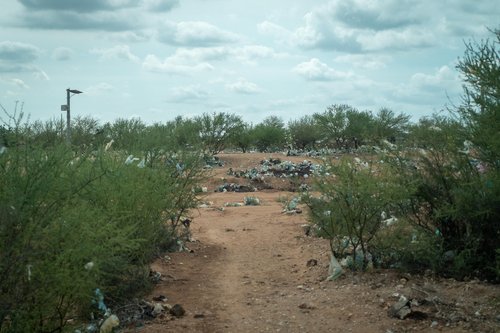
The Cerrejón mining operation has for years faced concerns and criticism related to environmental degradation, impacts on water access, displacement of communities, and health impacts affecting local and Indigenous populations in La Guajira.
The complaint calls on the UK National Contact Point to examine whether HSBC’s financing relationship with Glencore is consistent with the OECD Guidelines and expectations regarding responsible business conduct and due diligence.
The submission is supported by the World Council of Churches (WCC) as part of its “Hope for Children through climate justice” initiative. Revd Prof. Dr Jerry Pillay, WCC general secretary, said: “Faith communities have a moral responsibility to advocate for climate justice, human dignity, and responsible stewardship of creation. This initiative reflects growing concern among churches and communities worldwide regarding the role financial systems play in shaping the future of people and planet.”
The WCC emphasised that the initiative is not intended as a campaign regarding a single financial institution, but rather as part of a broader call for responsible finance and accountability in the context of the climate crisis.
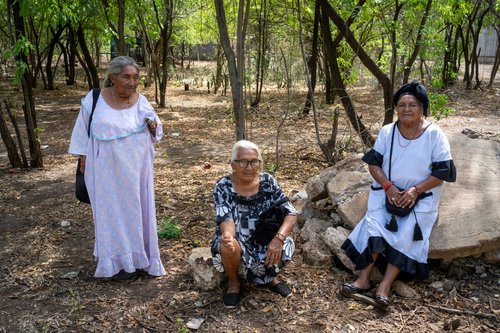
“The issue goes beyond one company or one bank,” said Pillay. “Communities affected by extractive industries deserve to be heard, and financial institutions should align their financing practices with their own climate and human rights commitments.”
The OECD complaint mechanism provides a non-judicial international process through which organisations and communities can raise concerns regarding responsible business conduct by multinational enterprises and financial institutions.
The complainants expressed their willingness to engage constructively in dialogue through the OECD process and reiterated their call for greater transparency, meaningful due diligence, and a transition toward sustainable and ethical financing practices.
The organisations involved in the initiative are also encouraging wider discussion within faith communities, financial institutions, and public on the responsibility of global finance actors in addressing climate crisis and protecting vulnerable communities.
A spokesperson for the Methodist Church commented, “The Methodist Church has long believed that investment is not morally neutral. How capital is allocated, and the consequences that flow from it, are matters of justice, stewardship and human dignity.
A spokesperson for the Methodist Church commented, “The Methodist Church has long believed that investment is not morally neutral. How capital is allocated, and the consequences that flow from it, are matters of justice, stewardship and human dignity.
"Our decision to support this OECD complaint reflects a clear concern that the pace of change within parts of the global banking sector falls short of the scale and urgency of the human suffering linked to climate breakdown and associated human rights harms. For us, this is not an abstract debate about policy frameworks or distant financial risk. These are questions connected to real communities, real livelihoods and real lives.
"As a justice-seeking Church, we believe there are moments when engagement must move beyond private dialogue and into formal accountability mechanisms. We have engaged extensively and constructively over many years, but there is understandable frustration when public commitments appear increasingly difficult to reconcile with ongoing financing activity that risks deepening harm.
"The Methodist Church believes banks such as HSBC have both the influence and the responsibility to accelerate action. Financial institutions help shape the real economy. They cannot simply observe the consequences of climate change and environmental destruction from a distance while continuing to finance activities that risk making those consequences worse.
"We would also urge other investors, whatever their motivation, to resist becoming desensitised to suffering. Behind these debates are communities already facing displacement, hunger, insecurity and loss. Responsible investment cannot simply be about managing reputational or financial risk. It must also be about moral seriousness, accountability and the courage to act before harm becomes irreversible.
"Our hope remains that meaningful engagement can still drive change. But the time for incremental gestures is passing. The scale of human suffering now demands urgency, honesty and action.”