Home

The Names of God

When we speak about God, we always use words and images that are too small for the reality - they are all metaphorical.

No single name can ever capture the fullness of who God is. God is greater than our language, our imagination, and our understanding.

Yet because God longs to be known, the Bible gives us many names and pictures to help us draw close.

forest-clearing

God is greater than our language, our imagination, and our understanding.

The Scriptures use a wide range of names for God.

Some are very personal - Father, Shepherd, Friend.

Others are more majestic - Creator, Lord, Almighty, King of Kings.

Sometimes God is described with images from nature - Rock, Light, Water, Fire.

Importantly, the Bible also uses feminine and motherly images for God. In Isaiah, God promises: “As a mother comforts her child, so I will comfort you” (Isaiah 66:13). Jesus compared himself to a mother hen, longing to gather her chicks under her wings (Matthew 23:37). These pictures remind us that God’s love is tender, protective, and nurturing. God is not male or female - God is Spirit.

Traditionally, Christians have often spoken of God as Father, Son, and Holy Spirit. These words are rooted in the experience of the first disciples, and they remain central in our worship. But Methodists, along with many other Christians, also recognise the value of other ways of speaking about the Trinity, especially when we want to use more inclusive language. Some people say Maker, Word, and Spirit; or Lover, Beloved, and Love.

None of these fully describe God, but each opens a window on God’s mystery and love.

The important thing is not to find one “perfect” name, but to use language that helps us connect with God in relationship. Some people find comfort in calling God “Father.” Others connect more with names like “Creator,” “Friend,” or “Mother.” Over time you may find that different names speak to you in different seasons of life.

Whatever words we use, they are signposts pointing beyond themselves to the One who is always more. God is love, God is mystery, and God is with us.


The Holy Trinity

Christians believe in one God who is known in three persons:

Father

Son

and Holy Spirit
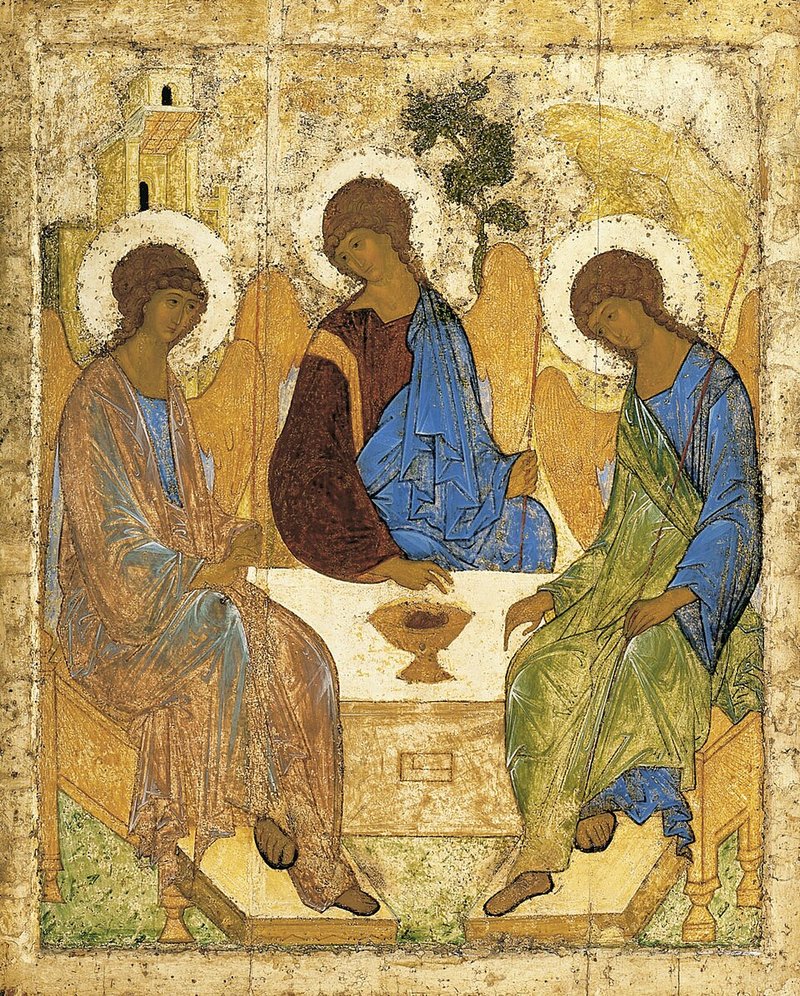
Andrei Rublev - Holy Trinity icon
Andrei Rublev, Trinity, 1411 or 1425–27

This way of speaking about God is called the Trinity, and it is central and distinctive to Christian faith. Many people find it difficult to understand — and that is not a problem. Christians have always recognised that God is greater than our language or concepts.

God is not divided. Father, Son, and Holy Spirit exist in perfect unity and relationship. God the Father sends the Son, Jesus Christ, into the world. The Son is fully God and fully human, sharing our life and revealing God’s love most clearly.

After his resurrection and ascension to the Father, Christ is present with us through the Holy Spirit, who is God at work in the world today — giving life, drawing people to God, and shaping the life of the Church.

The Bible does not use the word “Trinity”, but it speaks again and again of Father, Son, and Holy Spirit together, each sharing in the life and work of God. The Trinity helps Christians express the belief that God is not distant or solitary, but living, loving, and relational. To be drawn into the life of God is to be drawn into that shared life of love.

There are different ways that can be used to describe the Trinity. One very old example (from Augustine, in around the 5th century), uses the words the Lover, the Beloved and the Love for the different Persons.

This helps to show us that love comes from God and that God loves us completely. Another, to describe the relationships between the Persons in the Trinity is the idea of a ‘divine dance’. It shows the dynamic, fluid movement of love, joy and life that is shared between the three Persons.

God the Father

The Person of the Father in the Trinity is about the Father of the Son (who is Jesus Christ). Through the Father, everything in the universe was made, everything from the physical, material world and beyond.

We also believe that God is present in the universe as well as beyond it, which we often call ‘heaven’. When Christians speak of God as “Father,” it is a way of expressing relationship, care, and love—not a statement about gender.

The Bible uses this language to show that God is personal and loving, like a parent who nurtures and protects. In Methodist teaching, we use this term because it is part of the historic creeds and Scripture, but we also affirm that God is beyond human categories of gender.

You can read more about this in the Bible:

Jesus Christ

Fully God, fully human

Jesus Christ is the Son of God, who was with God the Father before the creation of the universe, and shared in the act of creation. Jesus was born like everyone else is born, and in him God is shown to us. Jesus is both completely human and completely divine, which isn’t an easy thing to understand.

The Bible and the Church use a variety of names and titles for Jesus, which can be confusing at first. Jesus is his human name, placing him in history as a Jewish man in first‑century Palestine.

The word Christ comes from the Greek word christos, meaning “anointed,” which translates the Hebrew word for “Messiah.” Jesus is called the Christ because he is the one chosen by God to fulfil God’s purposes, as promised in the Old Testament.

When Christians say Jesus Christ, they are holding these together.

Christ is called Lord because we understand that he is given the full authority and divinity of God, confirmed when he was raised from death to share God’s rule over the world.

You can read more about this in the Bible:

  • Acts 2:22-36
  • 1 John 2:22-23
  • John 1:1-14;
  • Colossians 1:15-20
  • John 20:28
  • Matthew 28:18;
  • Philippians 2:5-11
  • Romans 1:1-7


Incarnation

Incarnation is a word we use to describe God in Jesus Christ. In Jesus Christ, God took on human flesh and blood and shared our human experience of birth, lif“...life, death and resurrection” - needed because it isn’t simple his life e, and death.

The Gospels of Matthew and Luke describe Jesus as being conceived through the power of the Holy Spirit and born to Mary, who responds freely and faithfully to God’s call. These accounts are reflected in the historic creeds of the Church [link to the Creeds below], which affirm that Jesus Christ was “conceived by the Holy Spirit and born of the Virgin Mary”. For many Christians, this language expresses the conviction that Jesus’ life begins as a gift of God’s grace, not through human choice or achievement, and that God is at work in a new and decisive way.

Mary holds an important place in the Christian story, not because of supernatural power, but because of her trust and willingness. She represents God’s pattern of working through human faithfulness and cooperation rather than force. At the same time, modern biblical scholarship has noted that the Gospel writers draw in part on a passage from Isaiah that speaks of a young woman conceiving a child, rather than explicitly naming virginity. Some Christians therefore understand the birth narratives less as biological explanation and more as theological testimony: a way of proclaiming that in Jesus, God is truly with us.

You can read more about this in the Bible:

  • John 1:1–14
  • 1 John 4:1–3
  • Galatians 4:4–5
  • Matthew 1:18–25
  • Luke 1:26–56
  • Luke 2:1–20.


The meaning of Jesus Christ’s life

Jesus came to save humanity by fully sharing and participating in our experience of life and death. The reference in the creeds to Jesus having “suffered under Pontius Pilate” locates his life and death in real history, reminding us that Christian faith is grounded in events that took place at a particular time and place.

The evidence for the resurrection comes from the testimony of those who saw him alive, the experience of Christians throughout history, and our own experience of his living presence today. Jesus’ work continues through the Holy Spirit in the life of the Church. His crucifixion shows the depth of that sharing: Christians believe that in Jesus’ suffering and death, God enters fully into human pain, injustice, and vulnerability.

Through his resurrection, Jesus showed that there is no place or people beyond the reach of his saving power. The resurrection asserts that Jesus has defeated sin and death.

The ascension describes Jesus being taken from the disciples and moving into God’s presence. Early Christians spoke about this using the language and worldview of their time, often imagining heaven as physically “above” the earth. As our understanding of the universe has changed, Christians have recognised that the ascension is not about Jesus travelling upwards through the sky, but about a change of mode or state: the risen Christ is no longer limited by time and space. The ascension proclaims that Jesus is fully caught up into the life of God, sharing God’s authority and presence everywhere, rather than being located in one place. It affirms not distance from the world, but a deeper, transformed nearness.

You can read more about this in the Bible:

  • 1 Corinthians 15:1–57
  • 1 Peter 3:18–19; 4:6
  • Romans 8:18–23
  • Ephesians 1:6–10
  • Colossians 1:20
  • Luke 24:50–53
  • Acts 1:6–11
  • Philippians 2:5–11
  • Acts 1:8.

What Do We Believe About Jesus’ Second Coming and the Final Judgment?

Christians believe that, in God’s own way and time, God will bring creation to its completion in Jesus Christ. This hope is often spoken of as Christ’s coming again. Even within the Methodist Church there is no single consensus as to what this would look like. Most Methodists do not focus on predicting events or timetables. Instead, the emphasis is on trust in God’s faithfulness and on living responsibly in the present.

Christians believe that God will judge the world through Christ. In Methodist theology, judgement is not primarily about fear or punishment, but about truth, justice, and healing. God’s judgement is understood as the setting right of what is broken: the exposure of injustice, the naming of truth, and the restoration of all things to what God intends. Judgement and grace belong together. God’s purpose is not destruction, but renewal.

The New Testament speaks of Christ reigning with God, not as a distant ruler, but as one who has shared human life fully and knows its joy and suffering from within. Because Christ is the one who lived, suffered, died, and was raised, Christians trust that God’s judgment is shaped by mercy, love, and compassion.

Methodists therefore tend to speak less about dramatic images of the end of the world, and more about God’s reign of love. The Christian hope is that nothing lies outside God’s redeeming work, and that God will bring justice, peace, and reconciliation to fulfilment. This hope calls Christians not to withdraw from the world, but to live now in ways that reflect God’s future: seeking justice, practising mercy, and loving God and neighbour.

You can read more about this in the Bible:

  • Mark 13:24–27
  • Matthew 25:31–46
  • Acts 1:7
  • Mark 13:32–37.

The Holy Spirit

The Holy Spirit is is and always has been God. . The Spirit has been present and active in the world from the very beginning of Creation: bringing life in creation, inspiring the prophets, and equipping God’s people for service. The Spirit was present with Jesus from his conception and throughout his ministry, and has now been given to the Church to enable it to continue the ministry of Jesus Christ.

In the New Testament (for example, John 15:26), the Spirit is sometimes called parakletos, a Greek word often translated as Helper, Comforter, Advocate, or Paraclete. This word shows the Spirit’s role as the one who comes alongside us to help and strengthen us.

You can read more about this in the Bible:

  • Genesis 1:1–2
  • Isaiah 61:1
  • Luke 1:35
  • Luke 3:21–22
  • Luke 4:1, 14
  • Acts 2:1–21
  • 1 Corinthians 12
  • 1 Corinthians14