Doing something new can be hard if you’re doing it alone.
It can be powerful to have someone to journey with.
Here are some examples of people who may journey with you, formally or informally, and how they can support you.
Meeting in a group can also be important whether to discuss the Bible together, an informal coffee and chat, or taking part in an activity group organised by a church, such as a walking group, parent and toddler group, or art club.
Friends and family
Chatting to someone you trust about the journey you’re on can be really helpful. It doesn’t matter whether they’ve been on the journey for a while already, they’re starting out with you, or they’re not currently exploring faith themselves.
If you’ve been part of an On the Way group, you may wish to keep meeting together, supporting each other in your journey.
If you’re not sure what to talk about, Conversations Against Mundanity is a great game to spark conversations.
Ministers
In the Methodist Church, ordained ministers are individuals authorised by the Church to represent God-in-Christ and the community of the church in the world, and to pray for both the church community and the wider world.
Ministers have a distinctive responsibility to support local churches both practically and spiritually. They offer leadership, pastoral care (see below), and oversight. This makes them great people to chat to about what it means to be a Christian, the role of the Church and much more.
There are two types of ministers in the Methodist Church: presbyters and deacons. These are equal roles with different responsibilities and focus. Both are called to walk alongside people in worship, prayer and service.
Local preachers
As well as ordained ministers, people who are not ordained as ministers, have been preaching the gospel since the earliest days of Methodism. Many services in Methodist churches are led by local preachers who have been called to and trained for this particular role.
They are good people to talk with about the Bible, Church teaching and your own journey of faith.
Spiritual direction
Spiritual direction is a bit like coaching, but focused on how God is at work in your life. Your spiritual companion is a Christian trained in this discipline, and there is an expectation that the Holy Spirit is at work in the room. It takes place within appropriate safeguarding frameworks, including trained spiritual directors, and clear boundaries within the life of the Methodist Church.
Some Church of England dioceses (geographic groupings of churches) provide a ‘matching service’ to connect individuals with qualified spiritual directors in their local area. The London Centre for Spiritual Direction also has a national (and international) database to help you to find someone near you.
Pastoral care
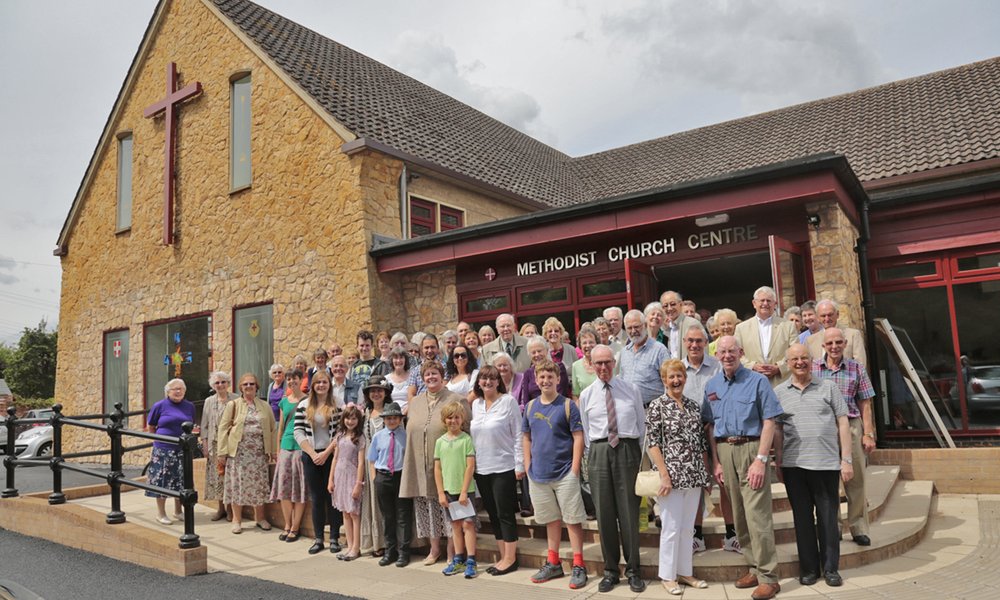
In a Christian community, we are all expected to care for each other. However, some churches have specific volunteers to provide care and support on behalf of the church. A pastoral care volunteer may visit you at home, particularly if you need extra support, or meet you at a church or café for a coffee and chat. Contact your local Methodist church to find out what pastoral care they offer.
Chaplains
Chaplains provide spiritual, emotional and pastoral care to people in all sorts of contexts outside of the church, to people of any faith or beliefs. You can find chaplains in places like schools, higher education, hospitals, prisons, the military, some large businesses, or employed by community organisations. Search your work / college Intranet or internal noticeboard, or ask your HR or welfare teams, to find out whether you have a chaplain at your workplace.
Coaches
Unlike mentoring, coaching assumes that you are the expert, not the coach. The coach's role is to support your thinking, asking questions that help you to set goals for yourself. Coaching is generally future-focused, designed to help you take action on specific goals, and may last for a set period of time. Coaching can be helpful if you want someone objective to support you as you decide how to explore your faith. You may want to focus on goals, such as discovering how to pray, or on becoming part of a Christian community.
Your coach doesn’t have to be a Christian to support you, but if you search the internet, you will find coaches who specifically support people in their Christian journey.
Mentors
Mentoring tends to describe a relationship in which a more experienced person uses their knowledge and understanding to support the development of someone newer to a workplace, skillset or discipline. A mentor can advise you on what to do and share their own experiences.
Christian mentoring is often done informally. You could ask someone you know and trust who has been a Christian for a while, if they would meet regularly with you and discuss your experiences of faith and Christian life together.
Mentoring can also happen less formally within small groups, as people ask questions and share their experiences with each other.
Explore more about the Christian journey


Questions on the way
Simple info to help you understand Christian faith and the Methodist Church.