God is a liberator
Throughout the Bible, we see that God takes the side of those of us who are overlooked, mistreated, or pushed aside. God cares deeply about justice, and calls us to care too. Challenging injustice means noticing where people are hurting and asking hard questions about why. It means listening, speaking up, and taking action, even when it’s uncomfortable. This week, we’re invited to reflect on where we see unfairness in the world around us—and how we might respond. This isn’t work we do alone. We join in with God’s mission of justice, standing in solidarity with those who long for freedom and change.
Mini-adventures
Pick one of these challenges to try out this week. As you do it, pay attention to the ways in which God might show up.
- Write down one unfair thing in your community that bothers you. Pray about it and talk with someone about how you might respond.
- Make a small choice for justice this week - for example, buy fairly traded goods, reduce waste, sign a petition, or give time to a local cause.
Get talking
Jesus’s teachings in the Bible often taught people to see things differently, to challenge injustice and welcome the excluded. The story of the Good Samaritan is just one of those. You might have heard of the Good Samaritan before.
Luke 10:25-37 – the parable of the Good Samaritan
- Why do you think Jesus chose a Samaritan - a person despised by many - as the hero of this story?
- Who might be the “Samaritans” in our society now - those who are overlooked or excluded?
- What might it feel like to be helped by someone you despise?'
- How might God be inviting you to respond to this passage?
Get inspired

- What do you notice in this artwork?
- How does it make you feel?
Get deeper
This week we delve into a negative topic. The good news comes next week! We know that there is unfairness and injustice in the world. If we’re honest, we realise that we have within us the capacity to hurt people and behave selfishly.
In the story of the Good Samaritan, it was wrong that a traveller was beaten up and robbed. It was wrong that people who could have helped walked by on the other side. All of this is part of what the Christian faith calls sin: something in us and in the world that separates us from God.
Sin works on many levels. Sometimes we knowingly or carelessly hurt others through our words or actions. Sometimes we’re the ones who are wounded by others’ choices. And sometimes sin takes root in whole systems — in communities, organisations, or even nations — shaping cultures and decisions that harm rather than heal. Recognising this helps us see our need for grace, and prepares us to hear the good news that transformation is possible.
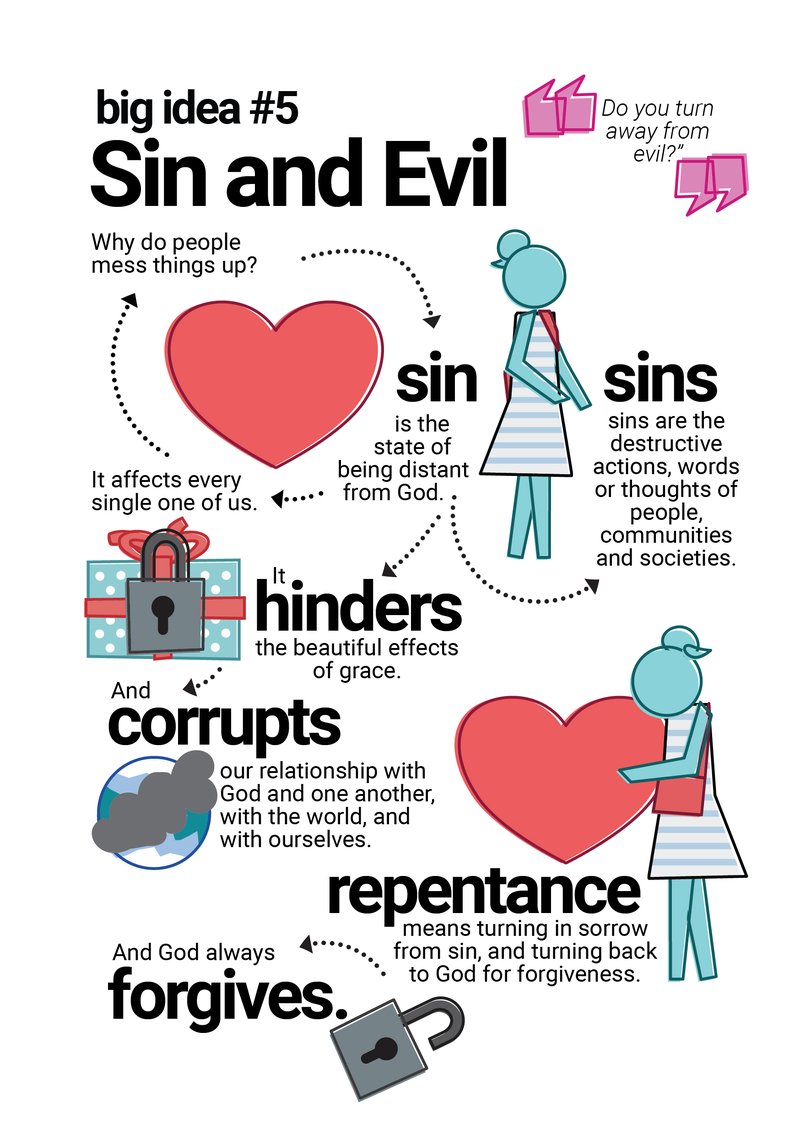
- Sin is an obstacle to us seeing, noticing, or experiencing God. Can you think of a time when a negative pattern stopped you from experiencing peace or joy?
- Sins are the destructive actions, words or thoughts of people, communities and societies. What helps us move from recognising sin to seeking healing and change, in ourselves, our relationships, and our society?
- Repentance is turning back to God. Which part is hardest for you—acknowledging mistakes or trusting forgiveness is real?
Prayer
Loving God,
You are the Father who runs to meet us,
the Mother who embraces us with open arms.
Thank you for your boundless love and forgiveness,
even when we wander far from you.
Holy Spirit, guide us home.
Help us to return to you with open hearts,
and to celebrate when others do the same.
Teach us to love without judgment,
to forgive as we have been forgiven,
and to welcome all into your grace.
May we reflect your mercy in our lives,
and share the joy of your reign with everyone we meet.
In Jesus’ name, we pray. Amen.