The United Methodist Church in Central and Southern Europe
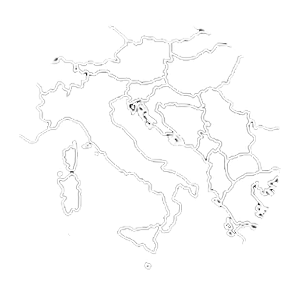
Across 13 countries, the United Methodist Church in Central and Southern Europe is actively sharing God’s love in many languages and contexts.
The Church is deeply engaged in both spiritual and practical ministry. A key focus has been supporting Ukrainian refugees, with congregations offering shelter, language classes, and community spaces—especially in Hungary, Czechia, and Poland.
Churches also run Sunday schools, Bible studies, and youth camps, helping young people grow in faith and friendship. In places like Bulgaria, ministry includes outreach to prisoners, homeless people, and ethnic minorities, offering both care and hope.
The Church’s commitment to peace, justice, and inclusion is lived out daily through acts of compassion and solidarity. Whether through local initiatives or cross-border cooperation, the Central Conference continues to be a vibrant witness to Christ’s love in a diverse and changing region.
The United Methodist Church in Central and Southern Europe is present in: Albania, Austria, Belgium, Croatia, Czech Republic, France, Hungary, North Macedonia, North Africa, Poland, Romania, Serbia, Slovakia and Switzerland.
Central and Southern Europe Factfile

1954
Established

30,000
Members
13
Countries

20
Languages
History
The Central Conference of Central and Southern Europe was officially formed in 1954, but its roots stretch back to 1925, when Methodist communities across Austria, Bulgaria, Hungary, and Switzerland first joined in shared leadership.
Over the decades, the conference adapted to major political changes, including the rise of Nazi Germany, post-war reconstruction, and shifting national borders.
In 1939, Methodist churches in Belgium, Poland, and Czechoslovakia were integrated into the Geneva “Sprengel,” a regional episcopal area.
The conference was formally reconstituted in Brussels, with Bishop Ferdinand Sigg elected as its first leader. Later bishops guided the church through further transitions, including the departure of Belgium’s Methodist Church in 1969 and the addition of Albania (1998) and Romania (2011).
Despite challenges, the conference maintained its commitment to shared ministry across diverse cultures and languages.