Advent 2: 6 December 2026
Advent 2: 6 December 2026
Don't be afraid: A new chapter is beginning
Bible readings
Isaiah 40:1–11
God speaks words of comfort to people in exile, promising restoration and a future shaped by care, strength and hope.
Mark 1:1–8
The beginning of the Gospel announces a new start, with John the Baptist preparing the way for God’s long-promised renewal.
Songs and hymns
182 On Jordan’s bank the Baptist’s cry
183 Praise to the God who clears the way
738 There is a new heaven; there is a new earth
406 Have you heard the good news?
483 We are marching in the light of God
174 Light a candle in a darkened place
776 In the Lord I’ll be ever thankful
188 There’s a light upon the mountains
Opening liturgy
Object: a book opened to the first page
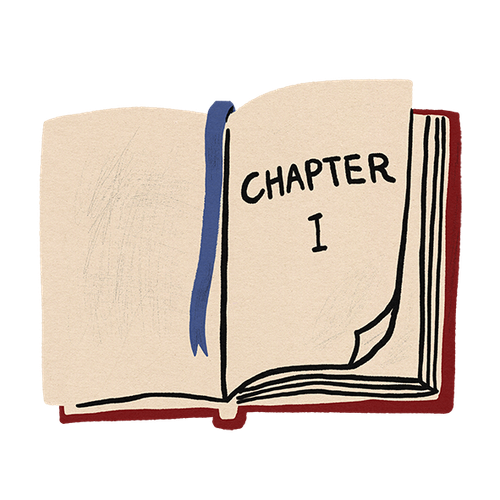
As Advent continues, we gather as people still waiting.
The days press on, the nights draw in,
and it can feel as though little is changing.
Don’t be afraid:
God is on the move.
We hear again the stories of beginnings,
of God stirring,
of the world shifting in ways that are not yet obvious
but already underway.
Don’t be afraid:
God is on the move.
In places that seem quiet,
and moments that seem delayed,
your purposes are unfolding ahead of us.
Don’t be afraid:
God is on the move.
As we listen, watch and wait together –
Don’t be afraid:
God is on the move.
Background notes
The beginning of the good news
Mark opens his Gospel with a simple but loaded sentence:
“The beginning of the good news of Jesus Christ.”
The first word, archē – “beginning” – consciously echoes Genesis 1. Mark wants us to hear an announcement of new creation. Something fresh and world-changing is starting. A new heaven and a new earth are beginning to break through.
The third word is euangeliou, “good news”. Today we use related words like ‘evangelism’ in church contexts, but in the first century the term had a sharply political meaning. When Rome won a military victory, heralds – evangelists – were sent across the empire to proclaim the good news: you now belong to Rome.
Scholar Tat-Siong Benny Liew(1) warns that by using this language, Mark does not stand at a safe distance from empire. Instead, Mark risks falling into a kind of colonial mimicry, repeating imperial ways of speaking even as he tries to challenge them. Jesus is announced using terms normally reserved for emperors, and this creates tension. On the one hand, Mark proclaims a radically different kind of kingdom, shaped by justice, mercy and restoration rather than domination. On the other hand, the very language used to announce this kingdom carries the weight and habits of imperial rule.
Advent captures that same holy anticipation. Something is about to happen. God is on the move.
John the baptizer appeared in the wilderness
Mark tells us:
“So John the baptizer appeared in the wilderness, proclaiming a baptism of repentance for the forgiveness of sins.”
The wilderness in Scripture is not a peaceful retreat centre. It symbolises the place where forces hostile to God’s purposes seem strongest – a landscape shaped by threat, vulnerability and spiritual contest.
And yet the wilderness is exactly where John is sent. He stands in the heart of opposition, announcing forgiveness, turning people back towards God, preparing the way for renewal.
Jesus will enter the wilderness too as his ministry begins; we will revisit that journey during Lent next year. But already Mark shows us that God’s new creation doesn’t wait for perfect conditions. It takes root in the world’s most contested spaces.
After me comes the one more powerful than I
John points beyond himself. John knows his role: vital, courageous, but partial. His ministry is a foretaste, a first crack of light before dawn. He steps into the wilderness because he trusts what God will do next. He knows which story will win.
Advent’s invitation
Advent is not simply a countdown to Christmas. It is a season of alertness and courage.
God is on the move. Not in a distant, abstract way, but here, in the wilderness places of our own lives and communities.
Where hostility or injustice seem strong, God is already at work. Where things feel stuck or resistant to change, God is preparing a new beginning. Where fear whispers that nothing can improve, the Gospel quietly counters: This is just the beginning of the good news.
Don’t be afraid.
God is on the move.
1 Tat-Siong Benny Liew, Tyranny, Boundary, and Might: Colonial Mimicry in Mark’s Gospel, ed RS Sugirtharajah (The Postcolonial Biblical Reader, 2006), p. 206–216
Questions for discussion
- Where in your life does it feel as though things are stuck or going nowhere?
- How do you usually recognise that something new is beginning?
- How can you prepare for God’s movement rather than controlling it?
Interactive activities
Journey backpack
Gather a selection of everyday items you might take on a day trip, or use pictures of those items instead. Hide them around the space or display them ready to be discovered.
Ask the group:
- What would you choose to take in your backpack for a day out?
Invite volunteers to find an item or picture and explain why they think it would be useful. (See the intergenerational resource for suggested items and additional guidance.)
As each item is shared, reflect on how different things help us in different situations and challenges. Some keep us safe, some help us find our way, and some bring comfort or encouragement.
Then ask:
- What helps us on our journey of faith?
- What do we need when life becomes difficult or uncertain?
- How might we recognise that God is travelling alongside us?
- Who are the people, practices or experiences that help us grow closer to God?
Take time to share ideas together and reflect on the ways God equips us for the journey ahead.
Stuck
Stuck by Oliver Jeffers is a delightful story about a problem that becomes more and more complicated as one attempt after another fails to solve it. You can read from a copy of the book or find a reading of the story online.
After sharing the story, invite some conversation:
- Have you ever had a problem that seemed impossible to solve?
- What happens when our efforts to fix things do not work?
- Why do we sometimes keep trying the same approach, even when it is not helping?
Then encourage a time of personal reflection:
- Think about an area of your life where you feel stuck, frustrated or unable to move forwards.
- What have you been relying on to solve the problem?
- Are there things you have tried again and again without success?
- What might it mean to place the situation in God’s hands?
As Advent invites us to slow down and pay attention to God’s presence, consider how you might make space for God to bring new perspective, fresh hope or unexpected possibilities. What might God be gently shaking loose so something new can begin?
Prayer ideas
Journey backpack prayer
Use the items gathered for the activity as prompts for prayer. Invite different people to hold or display each item as you pray together.
Map or compass
Loving God, thank you for guiding us on our journey of faith. Help us to follow your path, make wise choices, and trust you when the way ahead is unclear.
Packed lunch
Generous God, we pray for all who do not have enough to eat. Help us to share what we have and work for a world where everyone has access to the food and support they need.
You might also use other items from the backpack, for example:
Water bottle
Thank you, God, for all that refreshes and sustains us. Be close to those who are tired, overwhelmed or struggling today.
Torch
Shine your light into places of fear, uncertainty and sadness. Help us to notice your presence and follow your light.
Warm coat
We pray for those who feel vulnerable or alone. Surround them with your love and help us to show kindness and care to others.
Close by thanking God for all the ways he equips us for the journey and walks alongside us each day.
Labyrinth
Provide a printed copy of a labyrinth for each person, or invite everyone to trace the shape of a labyrinth with a finger on their hand or leg. This can be a particularly helpful way for parents and carers to pray with younger children.
Explain that the labyrinth is not a maze to be solved but a path to follow slowly and prayerfully.
As participants trace the path, invite them to reflect on these questions:
- “Do not be afraid.” What fears, worries or concerns am I carrying today?
- “God is on the move.” Where might God be present in the midst of those fears?
- How is God on the move in my life?
- Where am I noticing signs of change, growth, hope or new possibilities?
Encourage everyone to move slowly along the path, pausing when they need to. As they reach the centre, invite them to rest for a moment in God’s presence and bring their prayers.
As they trace their way back out, encourage them to consider how God might be calling them to move forwards with courage, hope and trust this Advent.
The good news to get across
Don't be afraid. God is on the move.
Ways people can respond
This week, make a small start
Each day, choose one small thing to begin or prepare.
- It might be a task, a conversation, or a change you’ve been putting off.
- Keep it realistic and manageable.
- Don’t wait for the perfect moment, just begin.
Why it helps
John the Baptist prepares the way in the wilderness, not in perfect conditions. This practice reminds us that new beginnings rarely feel tidy or complete. Taking a small step helps us move beyond fear and to trust that God is already beginning something new.