For three months in the spring of 2026, we set out to listen. We wanted to understand what digital life is really like for people across the Methodist Church – what works, what gets in the way, and what people hope for. This is what we heard, in people's own words.
We are sharing it openly, because the listening belongs to everyone who took part.
What we did
We did not send out a survey and wait. We went to people, in the places they already meet, and we came back more than once.
- We held in-depth conversations with the leaders of our districts – the regional bodies that hold groups of local churches together. Seventeen of the twenty-three took part directly, and every one of the twenty-three is now part of the conversation.
- We sat down with around a hundred people face to face – district leaders, ministers, administrators, the people who look after church property, volunteers, and our learning and development teams.
- More than three hundred people answered three surveys.
- We opened a channel that anyone in the Church could use to tell us about their digital life. It reached people the conversations alone never would – including someone from entirely outside the Church.
- We did our own homework too: a check of how the Church appears online, an honest look at our own systems, and research into what has worked, and what has failed, for other churches and charities.
The five things we heard
Five clear messages came through, from enough different people to say them with confidence. Each has its own page.
- People are the glue holding the systems together – capable people hold together a tangle of separate systems that do not connect. The simple, repeated ask: bring it together.
- The church on our screens isn't always the church that exists – our records are sound, but not yet joined up, so what shows on screen can drift from what we hold, and our own website is hard to search.
- Compliance is eating the time meant for mission – paperwork and rules are crowding out the work people came to do.
- The Church is already adapting – local churches are quietly changing how the work gets done, and we need to design around that.
- Trust, distance and belonging – people want the Church's words to match what they experience, and to feel connected to the whole.
Sections of the report
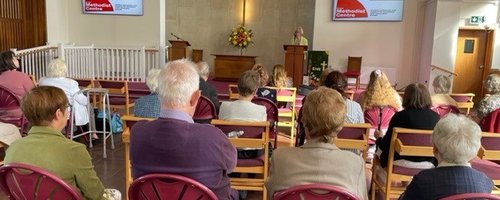
The human glue
Capable people hold together a tangle of separate systems that do not connect. The simple, repeated ask: bring it together.
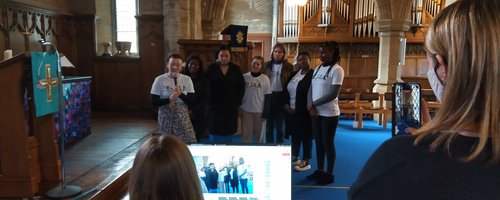
Data and reality
Our records are sound, but not yet joined up, so what shows on screen can drift from what we hold - and our own website is hard to search.

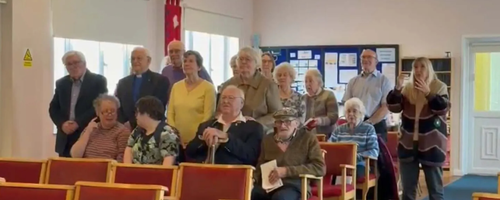
Who does the work
Local churches are quietly changing how the work gets done, and we need to design around that.
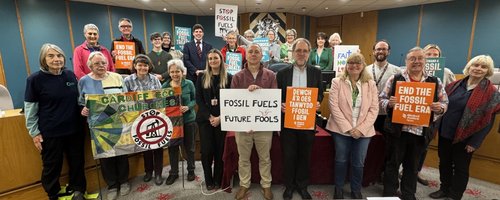
Trust and Connexion
People want the Church's words to match what they experience, and to feel connected to the whole.

What we heard in numbers
The heart of this listening is in people's words. But numbers help show the shape of it.
Download the report
What happens next
This report sets out what we heard. It does not decide what to do – those decisions belong to the Church's governance, and the detailed planning that follows. What the listening does is make sure that whatever comes next is built on real evidence, not guesswork.
The early signs point in a few consistent directions: towards joining things up, towards getting the basics of data and identity right before choosing new tools, and towards designing everything around the people who will actually use it.
What we haven't heard yet
We should be honest about where the picture is still thin. A few districts have not yet had a direct conversation. Some voices – the church quietly thriving online, the person content never to go online at all, the newcomer who never found a way in – are harder to reach through an exercise like this. That is exactly why the listening does not stop.
Add your voice
This is a living picture, and it gets better the more people shape it. If something here rings true, or misses the mark, or leaves something out – tell us. We read every response, and we share what we hear.