Planning for Growth
Growth happens when a church deepens its roots into the love of God and grows outward in love for its community.
It’s when we become fully alive in Jesus Christ and all that he wants the church to be.
A ‘growth plan’ is simply a plan of action saying what your church, circuit or new Christian community will do in the next 12 months to grow spiritually, missionally and, by God’s grace, numerically too.
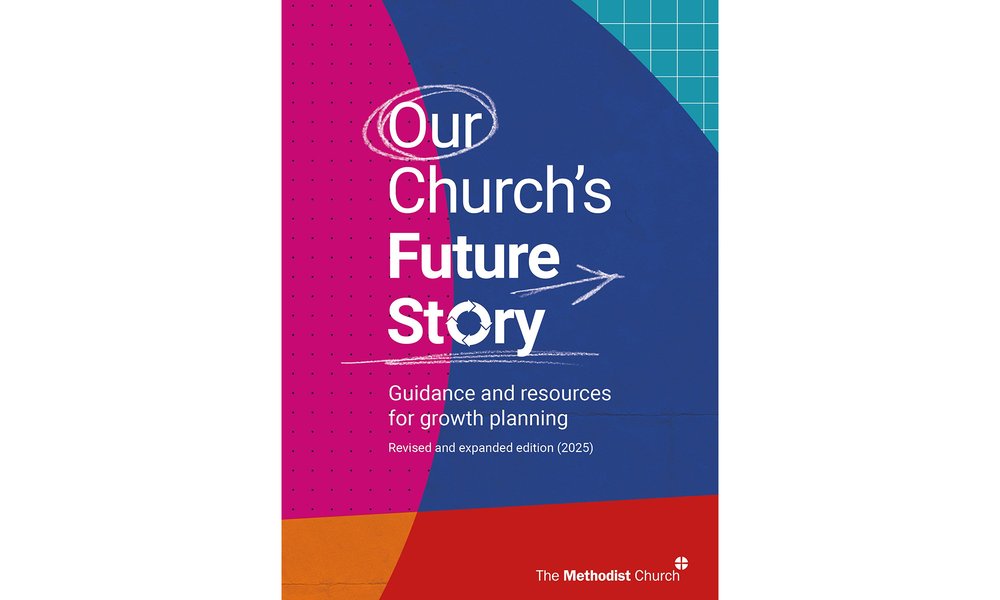
Our Church's Future Story
A booklet and card pack explaining what a growth plan is, and how to go about creating it together. It includes card-based activities.
To help you develop your growth plan, the growth-planning cycle offers a simple structure for deep listening, dreaming about the change you long to see, choosing areas to focus on, and then taking action. Click on each arrow to find out more.
Additional Growth Planning Resources
-
Find help available near you
Find your local district officer with responsibility for growth planning, as well as your aligned Learning Network officer
Read more -

Godly discernment
The choices that churches struggle with are generally not between good and bad options, but between two or more good things.
Read more -

Children, youth and families
Some ideas for engaging with children, young people and their families through each of the Methodist Way of Life practices.
Read more -
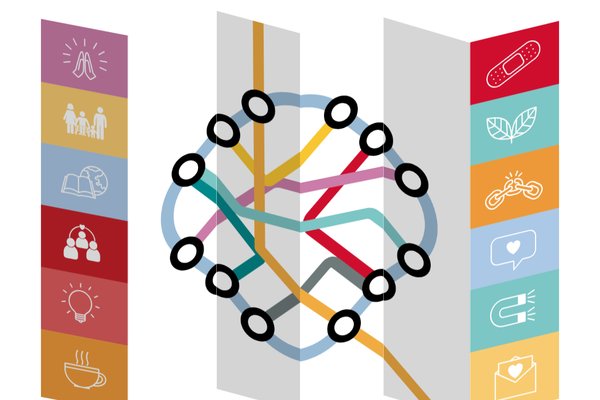
A Methodist Way of Life
There are endless possibilities for growth activities through the 12 practices of A Methodist Way of Life.
Read more -
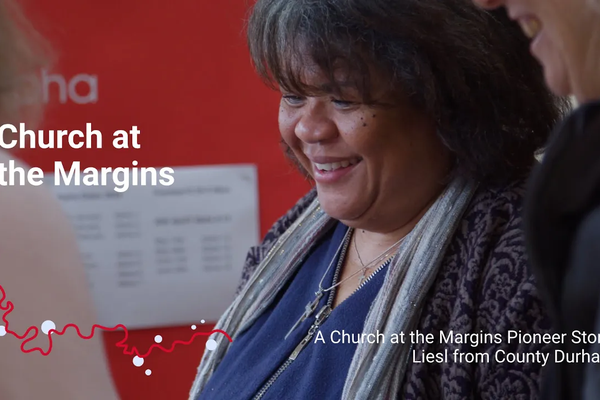
New Places for New People and Church at the Margins
It may be that your planned growth activities centre on beginning something new – and if so, that's fantastic.
Read more -
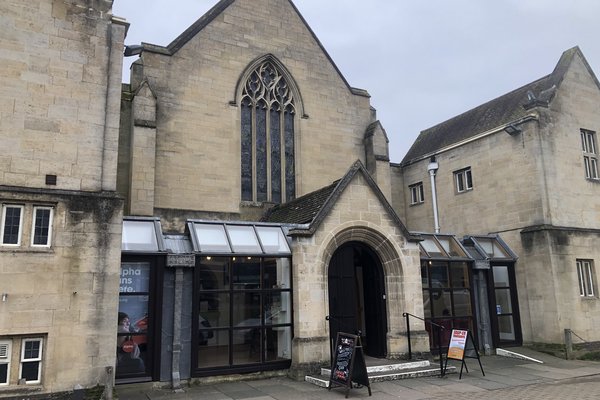
Buildings and heritage
If you have a building, you will need to review, as part of growth planning, the challenges and opportunities the building presents.
Read more
Growth through Evangelism
Many churches find the evangelism practices of A Methodist Way of Life – share, live and tell – the most challenging. If that’s you, we highly recommend that you choose one of these practices to focus on in your growth plan.
The simplest way to get started might be to choose a local festival and plan some simple evangelism as a one-off. You could hand out bottles of water at a summer festival, or have a stall offering conversation and prayer.
See Festivals and Events for lots of resources to help you engage with your local festivals.
As a church, you could work through the Everyone an Evangelist course. This is a course from the Methodist Church designed to help groups from local churches and circuits explore the ways you and your church community are called to share your faith and to grow in confidence as evangelists. It involves trying out some evangelism together. You can find out more below.
Or perhaps one or two leaders from your church might sign up to the Evangelism for Leaders course. Perhaps a church steward, a lay employee or the minister want to gain confidence in evangelism and get equipped to equip others to share their faith. The course is run twice a year – see dates and book below.
Net Zero as a Focus for Growth
We grow spiritually as we contemplate creation – ‘God’s second book’ – and care for it.
We grow missionally as we fight the injustice of climate change and work alongside community partners who may be even more passionate about net zero than we are.
We may grow numerically as more unaffiliated people join with us in this shared work. The Methodist Church has set itself the target of becoming a net zero carbon emissions church.
Churches often worry that working towards net zero involves thousands of pounds spent on solar panels and insulation, but you can get started with small, simple actions that add up to carbon savings over time. Check out the Getting your building down to net zero page for tips to get you started.
Creation care is not simply about our buildings and land, however: it's about considering sustainability in every part of our church life. We can care for creation in the way we worship, in the ways we connect with our communities and in the small, everyday choices we make as individuals.
Growth planning gives you an opportunity to review your existing activities and think about how to reduce their carbon footprint. A simple way of building this into your listening process is to register to become an Eco Church. You don’t need to have done anything about net zero to register: it’s simply a way of taking your first step on the journey.
The Eco Church questionnaire will ask you about your worship, buildings, land, community engagement and lifestyle, helping you see where you are already making sustainable choices and where you could develop further. You will then receive a rating for each area and will have taken your first steps to achieving your bronze award.
Some churches will choose to focus on the ‘Flourish’ station of A Methodist Way of Life in their growth plan. There are all kinds of possibilities for growth activities, from community gardens to climate action groups to eco-themed Messy Churches - check out the Flourish page for more ideas. If God is calling you to focus on ‘flourish’, consider developing a full net zero plan for your church. You can find lots of guidance to help you on the Action for Hope webpages.
Growing as a Justice-Seeking Church
Growth planning is a great way to figure out what it means for you to be a justice-seeking church where you are.
We grow spiritually when we challenge injustice, serve people who are marginalised and care for creation. We grow missionally when we look outside our worshipping communities and seek justice in the communities we serve.
We may grow numerically, connecting with more people in our communities through our justice work and building relationships with unaffiliated people who are just as committed to justice as the Church.
Becoming a justice-seeking church may involve starting new activities, or it may be about considering justice more deeply in the things you are already doing.
There are cards in the facilitator’s pack of Our Church’s Future Story to help you do just that.
Growth through Conflict: Resolving Differences
While conflict can be destructive, it is often the case that working through it means we reach new ways of working and grow together.
Learn from others' experience
Watch these real-life stories for inspiration
Let us help you plan
We are here to advise, support, or just chat things through over a cup of tea.