Contents
How do we build a culture of discipleship?
The Methodist Church can’t exist without disciples. That’s why discipleship is at the heart of the Calling of the Methodist Church.
While we all play a part in encouraging each other in our spiritual journeys, church leaders have a particular responsibility. This isn't just ministers, but anyone with a formal church role, including youth workers, small group leaders, stewards, and many more.
Being a travelling companion
Leaders are travelling companions. They journey alongside people on their transformational spiritual journey.
Our series of starter guides are written by people in-role.
Leaders have a special responsibility to intentionally support people as they encounter God, and transform in God's love. The Methodist Church's guidance on being an inclusive church is useful to ensure we support all people.
You might play a role in supporting people to try new practices in the Methodist Way of Life journey, which will open up new possibilities for them.
Just as you meet God in other people, maybe someone will meet God in you.
“I felt like I had more important things to worry about… But that nudge wasn’t going away… It was the fact that somebody [a Superintendent Minister who I had just met] recognised the call that God had given me….”
On The Way
A short course for people who want to explore Christian faith in an open and accessible way, rooted in A Methodist Way of Life.

Building new infrastructure
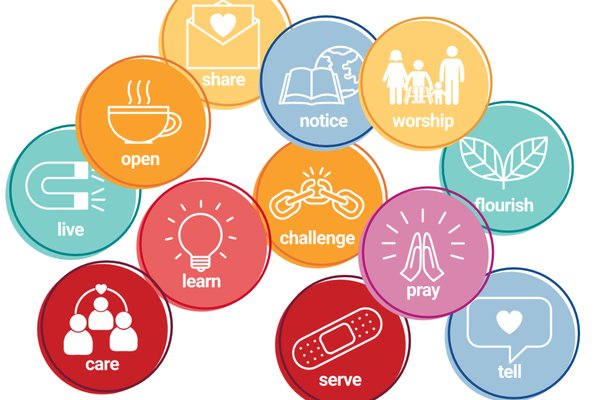
A Methodist Way of Life expands the Methodist Church’s core Our Calling statement, and provides a rhythm to live life.
There are 12 practices within the four areas of evangelism, learning and caring, worship and service that will help us mature as disciples, welcome others into the church community and be part of a missional church together. We sometimes call them stations on the journey of a lifetime. Sometimes we need to help people navigate and explore a station fully.
Discipleship, mission and evangelism are all part of the same vision.
“Folk are still very coy to be vulnerable and speak out about how they feel about certain stations. Sometimes I feel like everyone is holding onto a BIG secret.”
Construction (and demolition)
If we desire for people to encounter God as they pray, or challenge injustice, or serve other people, it's our job to provide the infrastructure to encourage that to happen.
While this may mean starting new activities or groups, it's also about what’s already happening in your church. Give an existing activity more of an explicit spiritual edge, or recommend that people engage with activities in other Christian churches or organisations.
- What construction work is needed so that all 12 stations can be open for travellers to encounter God? It is important that the people in our churches, circuits and communities have opportunities to visit all 12 stations.
- We may need to pause construction on a station. Perhaps we’ve been rebuilding one over and over again, limiting our capacity to consider the other stations.
- Maybe some things need demolishing so that there's enough energy for what is really needed, moving forwards.
An idea for your church
During a church meeting, service or small group, invite the church into a discussion about the stations they’d like to explore.
Use badges, postcards or the floor map as a visual aid, as well as our series of service outlines. Ask people whether they feel the church has the infrastructure to help them spiritually explore that station. And, if it doesn’t, think about what you could put in place. Consider how you will pray about these opportunities.
“At one of the General Church Meetings...We reflected together on the two or three stations which we felt were the church's 'home' stations - those things they felt they were 'good at' collectively as a church. Then we turned to the stations we felt we didn't travel to so intentionally, and I encouraged us to identify two as our focus for the forthcoming year...one person [suggested] the 'Flourish' station and drew together a small team. Another highlighted the 'Tell' station. So these areas will provide a focus for our energy, learning and time during the next year.”
Planning for growth
Growth planning helps churches, circuits and new Christian communities discern an action plan for spiritual, missional and numerical growth.

Four reasons why discipleship pathways are crucial for church growth

Discipleship pathways are plans for how communities encourage thriving discipleship.
Churches grow in all kinds of ways: spiritually, in the depth and breadth of their discipleship; missionally, in the quality of their relationships with their communities and their commitment to sharing good news with local people; and numerically, as more people encounter grace, become affiliated with the church, grow closer to Jesus and take steps to commit themselves to following him.
- If we want to grow spiritually, we need to be able to access as many ‘stations’ as possible, to spend more time at each one and reflect more deeply on the journey.
- If we want to grow missionally, we need easy entry points for spiritual seekers to begin a journey with Jesus.
- If we want to grow numerically, we need to offer spiritual seekers ways of joining a Christian community: by deepening faith, exploring the spiritual practices of A Methodist Way of Life, and taking steps such as baptism, confirmation and membership.
- Church growth research shows the importance of discipleship pathways.
The growth planning pages offer guidance to help your church discern what one thing God is calling you to do to develop your missional engagement with your community. By discerning and writing a simple growth plan, you’ll grow missionally, and perhaps – by God’s grace – numerically too.
If you already have a mission plan, but you’re struggling to put it into practice, check out some leadership events and resources to help you and your team move forward.
We run events and webinars throughout the year for individuals and church leaders to explore what this means for them.
“Folk are still very coy to be vulnerable and speak out about how they feel about certain stations. Sometimes I feel like everyone is holding onto a BIG secret.”
Making easy entry points
This journey isn't just for those already in our Christian communities. Leaders open up spiritual practices for new spiritual seekers, inviting them into community with God and with other disciples.
“We’re exploring what it means to pray. Our weekly Lego prayer sessions use the bricks to construct physical prayers, connected to the week’s theme or expressing what’s going on in our hearts and minds. It helps people to express themselves without words, and to focus as we invite God into what’s going on in our lives and in the world.”
Creating ways into the journey

The spiritual travellers we already have in our worshipping community are not our sole focus. We want our churches and activities to be open to all, so that all people might encounter God and be transformed.
People who aren't part of a church community will probably still be passionate about some of the practices of a Methodist Way of Life. They might see something spiritual about challenging injustice, caring for nature, or serving their neighbours.
Some people might join a New Place for New People. But all churches can invite newcomers and spiritual seekers to encounter Jesus and be transformed through the 12 practices of A Methodist Way of Life.
"We kick started the MWOL Discipleship Pathway in our Circuit with a Reimagining Discipleship day. The feedback told us that there was hunger for more exploration of the individual stations. So, the Transformational Leadership Team decided to build on the weakest stations but also offer some exploration on other stations too. We also ran a day course on how to welcome people, called ‘First Impressions count’.”
Finding God through art
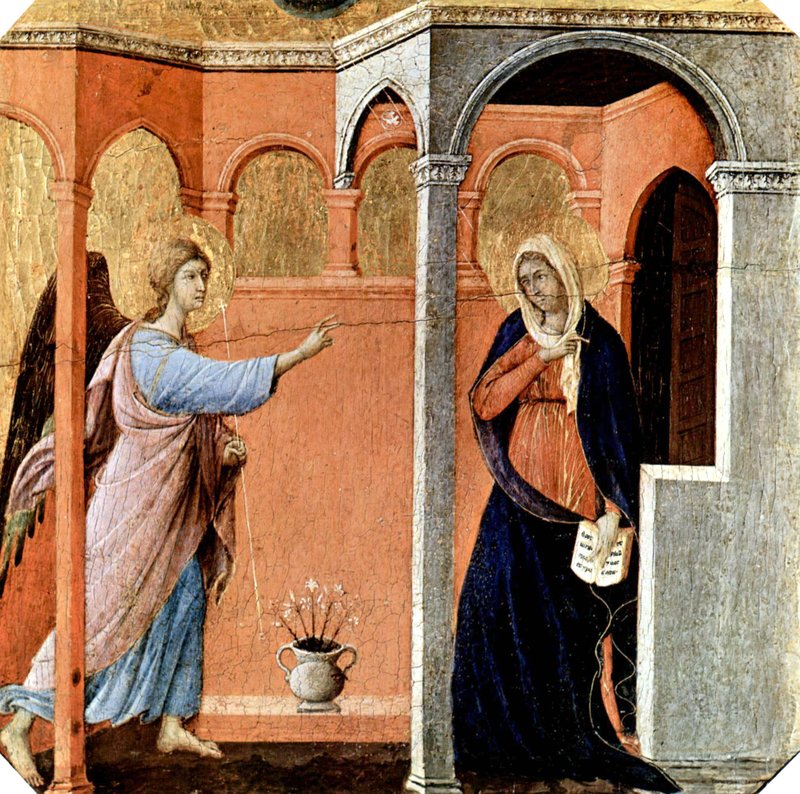
"Frida fell in love with classical paintings of Biblical scenes, while studying art history at university. She wanted to explore the stories they depicted, so she started reading the Bible. She became a Christian and started attending a local church.”
Frida’s entry point was noticing God in the world. She explored the commitment more deeply by noticing God in the Bible. This led her to ‘get on the train’ and start worshipping with others.
An idea for your church
Use the MWOL floor mat or stickers to think about whether your church or NPNP community’s practices are open or closed for new people.
Consider whether you provide easy entry points for new travellers, with diverse backgrounds and experiences, and how you welcome new travellers into your shared transformational journey.
Resources
Whether you're looking for the right resources for small groups, youth groups, Sundays or to support individuals to encounter God and build confidence in their faith, we've got what you're looking for.
Don't miss out on On The Way – a short course for people who want to explore Christian faith in an open and accessible way, rooted in A Methodist Way of Life.
Join us at events and webinars throughout the year to explore more discipleship, evangelism and mission practices.
Go deep fast
Conversations Against Mundanity sparks conversations about faith and life. Play the game in services, meetings and small groups to share life together

-

Getting started as a travelling companion
Leaders have a special responsibility to intentionally support people as they encounter God, and transform in God's love.
Read more -

Practical Ideas for Discipleship
Examples of discipleship pathways to helps churches or New Place for New People communities focus their plans for spiritual growth.
Read more -
Resources for exploring A Methodist Way of Life as a church
Methodist Way of Life resources to help churches and individuals to explore discipleship and deepen relationships with Jesus.
Read more